open clearing engine
what happens after a trade? a rust implementation of novation, netting, and settlement, with an event log that can be replayed.
hello, i'm dharun ashokkumar · india
from linux infrastructure to a clearing engine in rust. i like getting close to the machinery: how a container stays isolated, how a virtual machine starts, how a trade becomes a settlement.
i'm studying computer science at lovely professional university, and sharing the code and the lessons along the way.
open to internships, freelance work, and open-source collaboration.
follow the work: clearing-engine source · lpu labs in screenshots · merged contributions
different problems. the same need to see what's happening underneath.
what happens after a trade? a rust implementation of novation, netting, and settlement, with an event log that can be replayed.
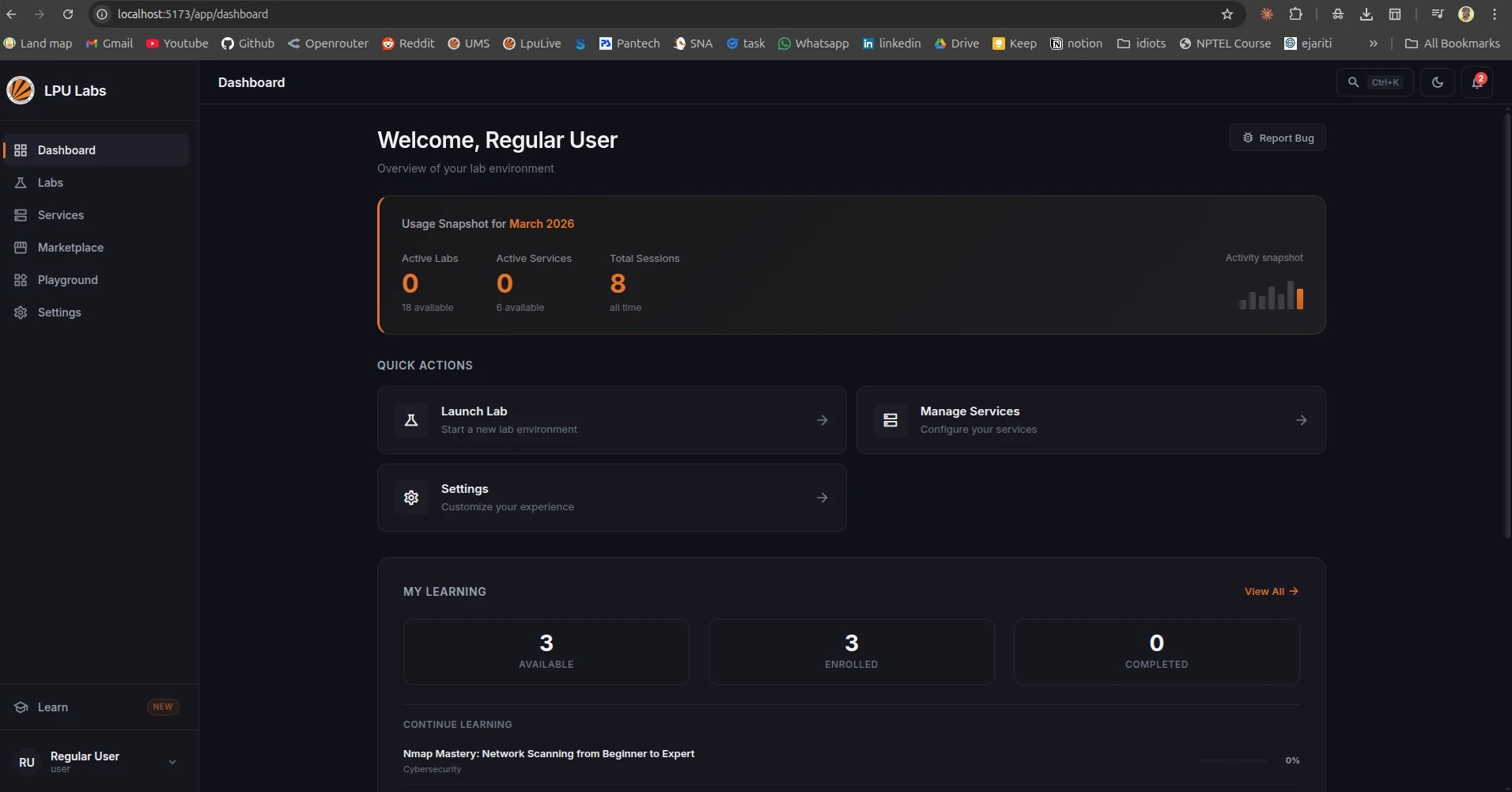
a development environment should be a browser tab away. this platform brings together docker orchestration, per-user networks, and persistent storage.
virtual machines and containers in one native desktop app. written in c to work directly with the libraries and sockets underneath.
a working reading list · updated
these threads come from my project notes. read the longer versions →
a learning map, not a live inventory or status dashboard.
an architecture sketch of the systems i work with, based on lpu labs and vmmanager. open a layer to explore its job and the engineering question behind it.
linux hostcompute, networking, and storage underneath it all
runs: development environments managed through fastapi and docker, with browser access through kasmvnc or code-server.
why: make a prepared environment accessible without local installation.
the question: how do you reclaim idle compute without removing a user's work?
runs: qemu/kvm virtual machines managed through libvirt; incus containers through a separate api.
why: keep both management paths in one native desktop interface.
the lesson: a quiet dashboard hides memory ownership and connections that can fail.
runs: per-user docker networks and persistent volumes in the lab platform.
why: separate users' traffic and keep files beyond a container's lifetime.
the question: which resources belong to a session, and which belong to the user?
runs: prometheus metrics, structured logs, and container health checks in the documented lab architecture.
why: make resource usage and lifecycle events inspectable.
the question: can the logs explain a failed launch without reproducing it?

i started with arduino projects. somewhere along the way, the questions grew into whole systems. more about me →
have something interesting to build? say hello, or read my resume.